By Kay Breeze and Sheila Masinde
Published October 11, 2012
In the run-up to the Kenyan elections in March 2013, BBC World News turns the spotlight on the East African country to explore the surprising and the inspiring stories of what’s really happening for Kenya’s people, economy and culture in a programme series titled Kenya Direct. Kenya Direct meets Kenyans from all walks of life who are trying to overcome the challenges of life in a country troubled by recent violence and corruption scandals.
Kenya Direct broadcasts globally on the BBC’s 24 hours news channel BBC World News, October 12-14, 2012. Special multimedia content will also be available on bbc.com/kenyadirect
Programmes in this Direct season include:
One Square Mile: Mombasa
Saturday, October 13: 12.30 GMT and Sunday, October 14: 00.30; 07.30; 19.30 GMT
Mombasa’s beaches may be where the tourists dash to, but Kenya’s oldest city is a place with cultural diversity and a rich history – often overlooked by sun-seekers.
In One Square Mile, reporter Kevin Mwachiro, who spent his childhood years in the coastal city, returns to make a journey which delves into Mombasa’s soul. He meets the Muslim leaders whose forefathers helped to give Mombasa its unique architecture, literature and art; he speaks to close relatives whose links with the church shine a spotlight on the legacy of the slave trade, and meets the sun-baked dhow craftsmen who are working to keep Mombasa’s maritime tradition alive. “Mombasa is a place that’s hard to leave,” is the enduring theme of Kevin’s very personal journey, which looks at the efforts being made to make Mombasa a city which draws in a new generation of explorers.
RELATED: Trade Unions Join Post-2015 Agenda, Focus on Global Employment and Equality
Working Lives: Nairobi
Saturday, October 13: 04.30; 17.30; 22.30 GMT and Sunday, October 14: 10.30 GMT
Kenya is rapidly expanding as East Africa’s economic hub. Its population is growing at a rate of one million per year, and the employment opportunities for the people who live there are multiplying as well. But with stiff competition for jobs, many Kenyans find they must now generate income for themselves, creating a vibrant entrepreneurial culture.
In Working Lives presenter Karen Allen follows the Chief Executive of one of Kenya’s top investment companies who has made it his mission to revive the entire country’s decaying railways. She spends time with a fashion designer cum rapper who dresses everyone from pop stars to politicians, seeking inspiration from Nairobi’s vibrant second hand clothing markets. We meet a lion needing a vasectomy and his vet, who started his career expecting to treat livestock on farms, but who now works with big cats from the bush.
Karen Allen discovers the inspiring mum-turned-businesswoman who braves Nairobi’s traffic to make a vibrant new business out of the daily “school run” into a vibrant family business; the industrial chemist using high technology to turn dust into wealth amid a lunar landscape; and the mother in Nairobi’s slums who keeps her family fed by running three different businesses of her own.
RELATED: USA and UK to Blame for Kenya’s Tourism Downturn
Fast:Track
Saturday, October 13: 03.30; 13.30; 18.30 GMT and Sunday, October 14: 06.30 GMT
Kenya, a country blessed with breath-taking landscapes, unparalleled wildlife, and a stunning coastline, attracts hundreds of thousands of visitors annually. But in recent years, election violence, kidnappings and terrorism have given the tourism industry a tough challenge. Fiona Foster is in Lamu where the 2011 kidnappings took place, asking how the island is recovering and what Kenya can do to encourage travellers back.
Fast:track will also be in Nairobi ” once a stopover – now a destination in itself with its first Michelin starred restaurant, tented safari camp, boutique hotels, and now the Hay Festival. The team discover the joy of travel by Matatu ” a mini bus service, said to be to Kenya what the subway is to New York. They also travel to Laikipia to see the rare animals found only in this region, and meet the man who looks after Kenya’s last surviving chimpanzees. And as part of World Rhino Week, Fiona joins a special safari with locals who have never seen wildlife before.
Weekend World
Saturday , October 13: 00.10; 07.10; 12.10 GMT
In this special edition of Weekend World, Fiona Foster presents a lively look at the weekend’s highlights on BBC World News, from the Kenyan Capital, Nairobi, and speaks to Kevin Mwachiro, Presenter of One Square Mile in Mombasa, and Wanjeri Gakuru, Associate editor of UP magazine.
Click
Saturday, October 13: 06.30; 19.30 GMT and Sunday, October 14: 03.30; 13.30 GMT
In Kenya the Click team discover how technology is revolutionising health care for all. Faster drug delivery and expert video diagnosis have made hi-tech virtual surgery essential for saving lives.
Click also discovers how Kenyans in rural areas protect themselves from the wildlife. Every year dozens of homes and communities are destroyed when elephants move from one place to another in search of food.
RELATED: Defeat Terror with Trade and Travel, not Travel Advisories
The team witnesses a new scheme for tracking and warning locals that the beasts are on their way, giving them the chance to move and take their belongings before the elephants move in!
Meanwhile, Sheila Masinde reports that BBC Kiswahili service has launched a national televised debate show in Kiswahili, one of Kenya’s two official languages.
Joseph Warungu, former head of the BBC’s African news and current affairs department, presents the programmes that was launched on October 7, 2012 and now airs on KTN at 6.00PM every Sunday.
The show will travel around the country bringing officials and well known public figures together with ordinary people to debate the big issues of the day.
RELATED: Germany Launches Peace and Conflict Management Book, Pledges Continued Support to Kenya
It will run up to and through the general elections on March 4, 2013. The first programme will broadcast from Mombasa with security, land issues and drug abuse up for discussion.
“The audience drives the debate on Sema Kenya”, says David Okwembah, Managing Editor of the BBC East Africa Bureau.
“People will have their say on what should be discussed every step of the way, and given a chance to get answers to issues that truly matter to them”.
The programme will also raise awareness of the six ballots, rather than the usual three – taking place on the same day in March 2013. Kenyans will elect the President, members of parliament, senators, county governors, women representatives and county assembly members. It will also explore and discuss recent electoral and constitutional reforms.
Between broadcasts, the discussion will continue throughout the country on the internet, SMS and social media. Some 64% of Kenyans have access to a mobile phone, and are some of the highest users of Twitter on the continent.
Sema Kenya will work with local civil society organisations to give communities with low media access a voice in the debate.
RELATED: Nairobi Launches Book on Peace and Democracy Ahead of Kenya’s March 4, 2013 General Elections
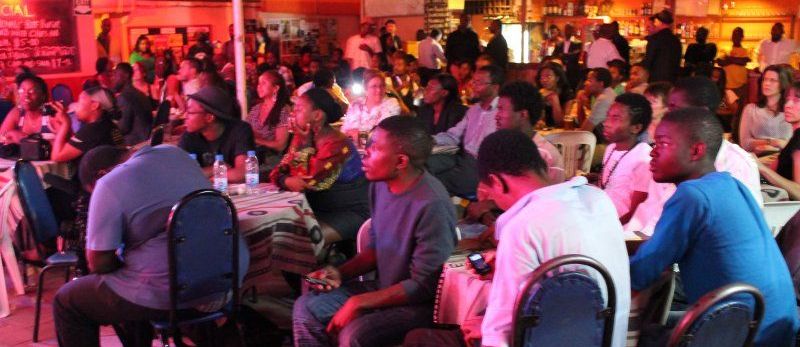
At a pilot show in September 2012 that focused on women’s representation in government, student leader Edward Okumu, 22, said “Many other shows tend to value what the panel has to say over the audience. Sema Kenya is a good way to engage the audience as well.”
Amina Bakari, 61, agreed. “The show was very inclusive, especially considering how marginalised women are in Kenya.”
Sema Kenya will broadcast Sundays at 1pm on radio and 6pm on television, and will air on broadcasting partners KTN, BBC Swahili, and six radio stations: Coro FM, Kitwek FM, Pwani FM,West FM and Pamoja FM.
The BBC made its first broadcast to Africa more than 80 years ago. The combined audience on radio and television makes the BBC the largest international broadcaster in Africa.