By Ogova Ondego
Published July 3, 2015
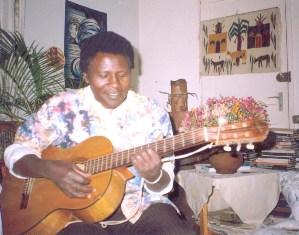
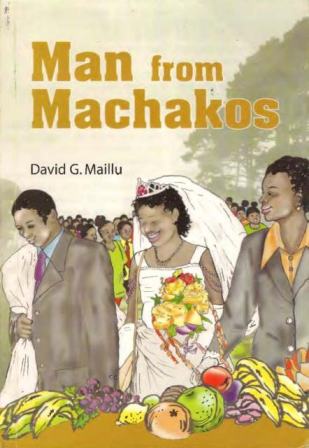 Kenya’s Father of Popular Literature, David Gian Maillu, has launched a new publishing house with a view to helping promote African languages through English.
The publishing house, African Comb Books Limited, africancombbooks.com, shall specialise in publications Dr David Maillu describes as possessing ‘authentic African touch’. And he invites writers in vernacular, any Kenyan African vernacular, to send in their manuscripts for consideration.
RELATED: Could David Maillu Be Africa’s Most Consummate Artist?
To set the ball rolling, however, this largely self-taught painter, musician, poet, playwright, essayist, palmist, philosopher, theologian, and pan-Africanist says he is publishing a historical novel based on 50 years of Kenya’s independence, a country whose political, economic and legal systems Maillu accuses of having destroyed his intellectual enterprise–Comb Books–“through corruption, tribalism, materialism and racism practised by the Kenyan state.”
 On that note, one can only speculate what Maillu’s Pathways: 50 Years of Kenya’s Independence, is likely to say about Kenya and its four post-independence Presidents: Jomo Kenyatta, Daniel arap Moi, Mwai Kibaki and Uhuru Kenyatta.
Maillu, who holds a Doctor of Letters degree in African Literature and Political Philosophy from St Clements University of south Australia, is also releasing a book titled The Real Kikuyu and several academic series tentatively titled ‘Brain Builders’.
 Writer and politician who writes in Kikamba, Sheng, Kiswahili and English, Maillu says he is also re-issuing some of his best-selling titles as “double volumes in an attempt to promote African languages using English.”
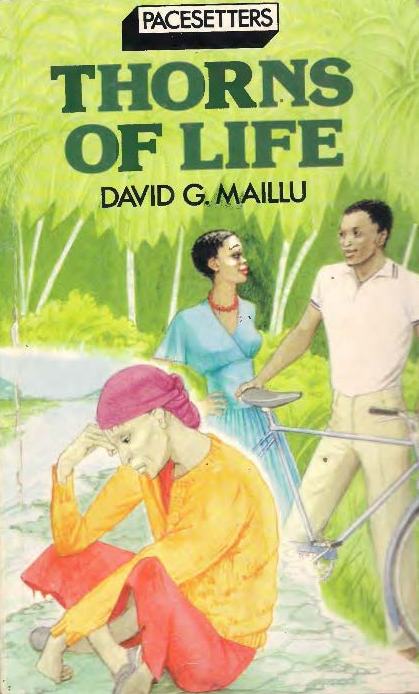
While After 4.30 shall have a Kiswahili novel, Ameokolewa, attached to it; My Dear Bottle shall carry a Kikamba novel attached to it. My Dear Bottle and Thorns of Life shall have Fumbo la Ndizi and Koti ya Kishenzi, respectively.
RELATED: Kenyan Writer David Maillu Goes Online, Turns Rural Home into Art Museum and Literary College
Ki Kyambonie (What has Happened to Me? in Kikamba), on the other hand, is accompanied by a social commentary, Kila Kimuisaa Mukamba (What devours the Kamba community?) that Maillu, who reiterates that it was his Kikamba poetry on Voice of Kenya radio that influenced James Ngugi wa Thiong’o into writing in his own Gikuyu mother tongue, refers to the Ki Kyambonie/Kila Kimuisaa Mukamba combination as “an explosive political commentary on the Kamba political landscape since Kenya’s independence in 1963.”
Maillu contends that politicians in Kenya have misused the “Kamba culture of servility, isolationism and individualism to destroy the community” that occupies eastern parts of the East African country.
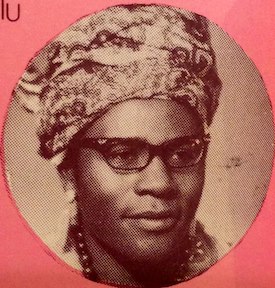 Asked what he brings to the book publishing sector, Dr Maillu, who specialises in African literature, philosophy and art, says his abilities to write, edit and design are assets in publishing.
What does Maillu, who says he studied fine art and economics at Advanced Level think about formal education in art and art-related disciplines?
RELATED: New Kenyan Novel Dreams of Things That Never Were and Asks Why Not
“Formal education does not make any one a better artist though it affirms one in today’s certificate-obsessed world,” he says. “Unless a balance is struck between creativity and academics, the latter usually stifles the former. But I am not discouraging people from going to school.”
Dr David G Maillu invites lovers of things African to interact with him and his initiatives online: davidgmaillu.com, africancombbooks.com, neterianafricanreligion.net and thecentreforafricanaesthetics.org. His platforms on Facebook are The Centre for African Aesthetics, Neterian Worship–African Religion, African Comb Books Ltd and, of course, his own profile page, David Maillu.