By Human Rights Watch Press
Published February 15, 2016
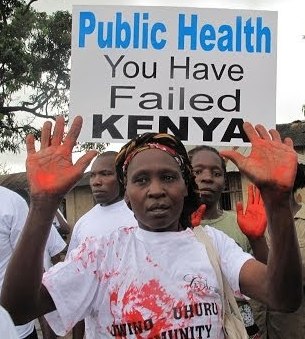
 Hundreds of women and girls raped during Kenya’s post-2007 election violence struggle with devastating physical and psychological health conditions, poverty and social exclusion.
In a report released on February 15, 2016, Human Rights Watch (HRW) says the Kenyan government has failed to provide basic assistance and redress for the rape survivors.
The 104-page report titled, I Just Sit and Wait to Die: Reparations for Survivors of Kenya’s 2007-2008 Post-Election Sexual Violence, is said to be based on interviews with 163 women and girls, nine male survivors, and witnesses of rape or other sexual violence in the post-election period.
The violence that erupted after the disputed presidential poll in 2007 included killing, rape, plunder and displacement.
RELATED: Government Intimidates Ugandans Ahead of Elections
Gang rape involved more than four attackers.Women said they were penetrated with guns, sticks, bottles, and other objects. Many were raped in the presence of other family members, including young children. Some men and boys were also raped or forcibly circumcised or castrated. Attackers included members of Kenya’s security forces as well as civilians and militia groups.

“I was raped by five men – they were beating me, pulling my legs apart,” said Njeri N., who suffered traumatic fistula, an injury that often causes urine and faeces leakage and still has a leg injury and back pain. “I got so hurt. I have a problem controlling urine. I am so ashamed.”
RELATED:Human Rights Watch Protests South Sudan Army’s Killing of Civilians
Some women and girls were infected with HIV and other sexually transmitted infections but have been too poor to travel to get free medication or get enough food to take it with.
The mental health impact of the attacks have destroyed lives. In almost every case, survivors described profound feelings of hopelessness, self-hatred, shame, anger, and sadness, many times reinforced by their isolation from being stigmatized as rape victims. Some contemplated suicide. The government does not provide them with adequate psycho-social support services.
Among the women interviewed, 37 said they had become pregnant as a result of rape. Many gave birth to the babies because abortion is illegal and seen as immoral in Kenya. These women often suffer ambiguous or angry feelings toward their children who themselves also face stigma, rejection, and physical or verbal abuse by their families. Some children have also been discriminated against when acquiring birth certificates since the mothers could not provide the father’s name. There has been almost no acknowledgement by the government or others of these mothers and their children and their special needs, which should also be addressed in the justice and reparations processes.
The Kenyan government has provided limited compensation to people who were displaced or lost property, providing some money, housing, and land. Survivors of rape and other sexual violence have largely been excluded and very little has been done to address their specific medical or other needs.
RELATED:Human Rights Watch Welcomes the Arrest of Rwanda Intelligence Chief Emmanuel Karenzi Karake
“We were shocked to find how many survivors are sick, living in poverty and stigmatized, ignored, and often rejected instead of helped by the government,†says Agnes Odhiambo, senior Africa women’s rights researcher. “Recent commitments by President Uhuru Kenyatta provide a critical opportunity to address the needs of survivors of Kenya’s post-election sexual violence.
In March 2015, President Uhuru Kenyatta announced a fund of Sh10 billion (about US$9.8 million) to provide ‘restorative justice’ for victims. HRW says “this initiative can be a crucial opportunity for rape and sexual violence victims, if they and their needs are properly recognized and reparations are made in line with international good standards and practice.”
RELATED:Uganda Urged to Suspend ‘Crime Preventers’
The rights body calls upon the Kenyan government “to prioritize finding survivors who need urgent medical attention and to adopt policies to ensure they have access to free and voluntary medical and psychosocial services.”
Survivors who come forward, HRW says, “should get recognition, restitution, and guarantees that they will be protected from such violence again. The fund should not be used by the government to avoid criminal accountability.”
RELATED: Kenya’s New Security Law Undermines Human Rights
A report from a Truth, Justice and Reconciliation Commission completed in 2013 is yet to be adopted by parliament. Findings from an investigation into police misconduct, including sexual abuse, during the post-election violence period are yet to be made public.
“The Kenyan government has shirked its responsibilities toward the post-election victims of sexual violence,” Odhiambo says. â”It is crucial for the government to carefully plan and deliver reparations for these victims to alleviate their suffering.”