

By Khalifa Hemed
Published January 23, 2019
 Uganda has reportedly banned gambling, arguing that it cultivates a culture of laziness and addiction among young people by promising them an easier lifestyle without hard work.
Daily Monitor of Uganda reports that ‘President Museveni has ordered that no new sports betting company should be licensed to operate in Uganda and licences for the existing companies should not be renewed’.
RELATED:Africa to Collect US$2 Billion from Casino Gambling
The newspaper quotes David Bahati, Uganda’s Minister of State for Finance in charge of Planning, as having said, “We have received a directive from President Museveni to stop licensing sports betting, gaming and gambling companies. From now onwards, no new companies are going to be licensed. Those which are already registered, no renewal of licences when they expire.”
 But can Uganda really ban betting?
Neighbouring Kenya, Africa’s third largest gaming market, is yet to fully rein in the sector through legislation that imposes a 35% tax on revenue from gaming besides a 30% corporate tax.Alarmed at the rapid growth of the gaming sector in a largely unregulated space, Kenya’s Parliament had initially tried to impose a 50% tax on sports betting sites and lottery companies before President Uhuru Kenyatta slashed it to 35% before signing the Finance Bill 2017 into law in 2017.
Prior to 2017 betting operators in Kenya paid 7.5%, lotteries 5%, gaming 12% and competitions 15%.
RELATED:Africa to Hold Business-to-Business Gaming Conference
Like Uganda, Kenya had argued that it was necessary to rein in gaming to ‘deter minors from betting’.
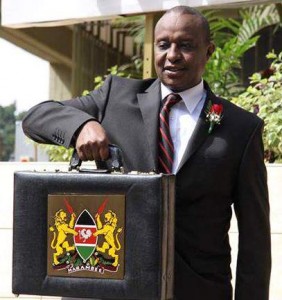 While proposing a 50% tax, Kenya’s Finance Minister, Henry Rotich had argued that gambling had ‘become widespread in our society in an environment that is inadequately regulated’ and that ‘its expansion is beginning to have negative social effects particularly on the youth and vulnerable members of our society’.
But how had Kenya come to be a paradise for gamblers?
Social commentators blame the internet, the proliferation of the mobile telephony and mobile money technologies and the country’s inability to craft relevant laws besides its outdated Betting Lotteries and Gaming Act of 1966 that empowers the Betting Control and Licensing Board to issue gambling licenses and enforce regulations in all sectors of gambling across the East African country.
RELATED:Football League Clubs to Benefit from New Lottery
This ‘inadequately regulated’ environment also denies government a fair share of revenue generated by the gambling sector besides breeding gambling addicts who recklessly squander resources–school fees, salaries–placing bets on horses, footballers, politicians and numbers in the hope of winning large sums of money.And many commit suicide, get sacked or get jailed when they not only fail to win prizes but also lose the money in the process.
 Companies such as Betway,Betyetu, Kenya Sports Bet, Lotto, Lucky to You, Sportpesa, Betin, Elitebet, Justbet and Easybet not only allow betting via mobile phone but also pays out prizes through mobile money transfer.
And so gaming continues to take root in the largely unregulated East African paradise as Kenya and Uganda, in a game of catch up with rapidly advancing technology, by, respectively, imposing heavy taxes on operators and ban it altogether.
RELATED:Ghana Commemorates 400 Years of Trans-Atlantic Slave Trade


