By Khalifa Hemed
Published November 26, 2017
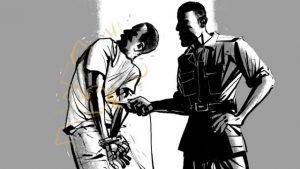 A rights body has accused Rwanda of using torture to extract confession from suspects.
Human Rights Watch (HRW), in a 91-page report titled We Will Force You to Confess: Torture and Unlawful Military Detention in Rwanda, documents what it terms as unlawful detention in military camps and widespread and systematic torture by the military of the central African country.
HRW says judges and prosecutors ignore complaints from detainees about the unlawful detention and ill-treatment, creating an environment of impunity.
RELATED:Ugandan and Burundian Soldiers in Somalia Accused of Sexual Abuse
Calling upon Rwandan authorities and United Nations bodies to investigate immediately, HRW says military officials in Rwanda can use torture whenever they please and that impunity for unlawful detention and the systematic use of torture has led many victims to give up any hope for justice.
Among the torturous methods the military uses to extract confession include detention, beating, asphyxiation, mock execution and electric shock, HRW says.
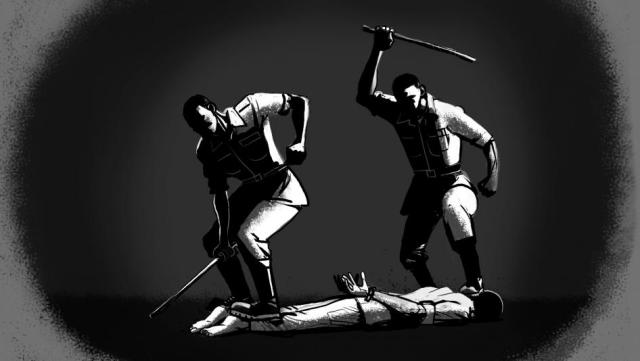 Ida Sawyer, Central Africa director at Human Rights Watch, says “Research over a number of years demonstrates that military officials in Rwanda can use torture whenever they please” and that “impunity for unlawful detention and the systematic use of torture has led many victims to give up all hope for justice.”
RELATED:Crackdown on Journalists in South Sudan Pits the People against the People’s Army
Though it says it has confirmed 104 cases of people who were illegally detained, and in many cases tortured or ill-treated, in Rwandan military detention centers between 2010 and 2016, HRW states that the number is most likely higher “due to the secret nature of the abuses and many former detainees’ fear of reprisals.”
Saying the abuse by the military continues in 2017, HRW argues that it is a “breach of Rwandan and international law, which prohibit enforced disappearances, arbitrary and unlawful arrest and detention, and the use of torture and other ill-treatment. Under international law, torture and enforced disappearances are crimes subject to universal jurisdiction, meaning any country may prosecute them irrespective of where the crimes took place or the nationality of abuser or victim.”