

By Ogova Ondego in Nairobi
 As Congo-Kinshasa and neighbouring Uganda continue to experience active outbreaks of Ebola Haemorrhagic Fever (EHF), East African Community health ministers are set to meet while Kenyan authorities are maintaining heightened surveillance and screening for this Ebola Virus Disease (EVD) at airports and border crossings.
RELATED: Why and How to Wash Our Hands
What You Need to Know about Ebola Viral Disease:
Ebola is a rare but severe and often fatal viral disease that’s transmitted to humans through direct contact with infected bodily fluids or contaminated materials.
 1). Unlike Coronavirus Disease 2019 (COVID-19) or Severe Acute Respiratory Syndrome (SARS), EVD or EHF is NOT airborne!
2). You can only get infected through contact with infected people and animals, and not from the air
3). How to Stay Safe from Ebola:
i). Wash your hands often
ii). Avoid contact with body fluids
iii). Don’t handle sick or dead people or animals
iv). Seek medical help early if you feel unwell
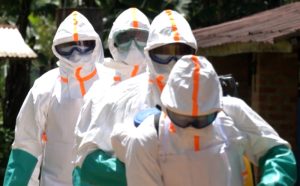 4). Ebola infection symptoms appear in 2 – 21 days and include:
i). Fever
ii). Fatigue
iii).Muscle pain
iv). Headache
v). Sore Throat
vi). Vomiting
vii). Bloody diarrhoea
viii). Internal and external bleeding
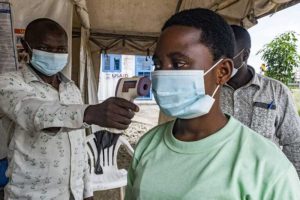 5). How Ebola Spreads:
 i). Direct contact with blood, secretions, organs or other bodily fluids of infected people
ii). Touching contaminated objects
iii). Direct contact with contaminated objects like bedding and clothing
iv). Direct contact with
the blood, organs or bodily fluids of infected wild mammals
6). Prevention of Ebola:
Chains of transmission of Ebola are broken through:
i). isolation of patients, ii). infection control in health care settings
iii). contact tracing
iv). safe burial practices
 7). Treatment of Ebola:
Survival chances from Ebola disease are significantly higher when treated early with specialized supportive care, including:
i). intravenous fluids
ii). balancing electrolytes iii). maintaining oxygen levels
iv). Specific antiviral therapies are sometimes used depending on the virus strain
v). Vaccines exist for certain strains of Ebola, such as the Zaire strain, while vaccine strategies and research remain ongoing for other emerging strains.
#EbolaAwareness #PublicHealth #HealthFacts #InfectionPrevention


