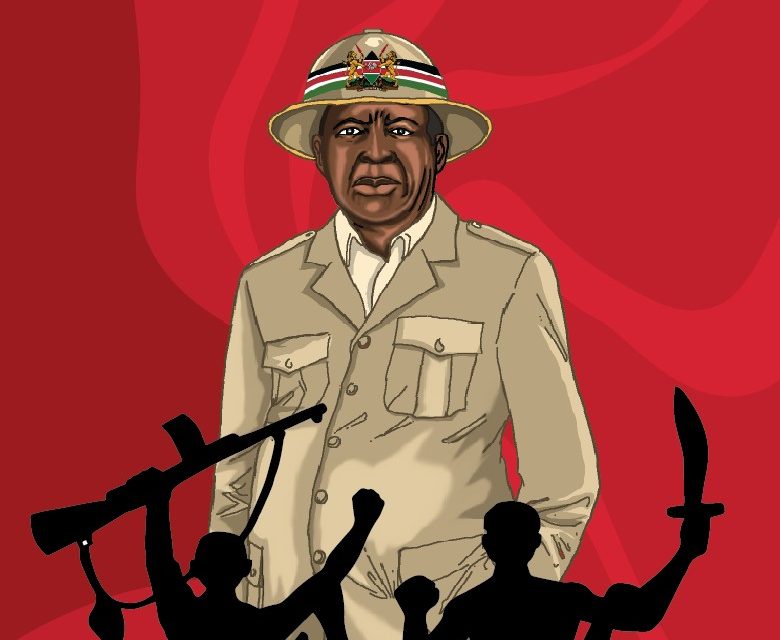
 1). In the treacherous shadow of British colonial Kenya, a ruthless chief seizes land, livestock and a wife, shattering the life of a man and condemning his family to generations of poverty
2). Decades later, the corrupt chief’s heir, a corrupt Member of Parliament, thrives on this stolen legacy 3). But when a son of the dispossessed man finds love and then loses it due to his family’s enduring curse, he turns to a powerful ancient oath for retribution
RELATED: African Writers Discuss Democracy Amidst Intolerance
Strive To Be The Best Parent You Can Be
4). As a cascade of horrifying misfortunes descends on upon the family of the MP, they are forced to confront the chilling power of justice beyond the law of modern Kenya
5). Can a traditional oath reclaim what was stolen during the colonial era or are the sins of the past bound to forever hound the living?
RELATED: Life Need Not Be An Endless Journey, Or Does It?
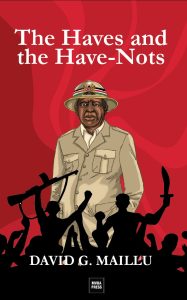
 6). The Haves and the Have-Nots, a fictionalised historical novel by David Gian Maillu that runs just 23466 words printed on A5-size book format, delves into the enduring impact of colonial-era corruption and its generational ripple effects on two Kenyan families
7). At its core, the narrative explores themes of justice, dispossession and the clash between modern governance and ancient traditional beliefs.