
By Ogova Ondego
Published June 22, 2017
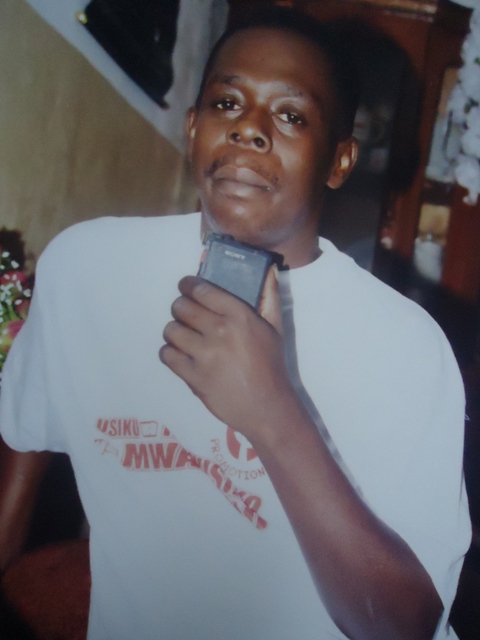
 When he took a break from his routine entertainment calendar in order to devote his time to worship, meditation and reflection during the annual period of fasting known as Ramadhan in June 2016, his fans waited with bated breath for the fast to end so their idol could return to them. But when two months elapsed after the fast without Mzee Yusuf Mwinyi returning, speculation led to rumour-mongering and tongue-wagging. But that still didn’t bring the award-winning Taarab music composer, singer and band leader to the popular entertainment joints of Tanzania’s commercial capital, Dar es Salaam.
Many wondered what had driven the talented and experienced singer and songwriter off the stage. Then they heard he had declared Taarab as haram or forbidden and had quit the stage altogether. How could a secondary school dropout who made better money than a university-trained professional in regular employment turn his back on that fortune? After 15 years in the limelight in which he was adored (nay, almost worshipped?!) by fans (most of them women)? The man must be mad, some said, shaking their heads in disbelief.
RELATED:Tribute to Kenyan Taarab Legend
Then word swept through the shocked Kiswahili-speaking world that the Taarab maestro had quit to devote his talent, fame, experience and life to serving Allah (God) and performing religious music known as Qaswida. Really?
 This incredulity brought the award-winning entertainer out of the Masjid Taqwa mosque in Ilala Bungoni neighbourhood of Dar on a Friday afternoon to make a career-turning announcement on August 12, 2016: he would no longer perform Taarab music.
He declared Taarab as ‘haramu’ (forbidden) and said that he had opted for something ‘halal’ (permitted).
Tanzanian media reported that Mwinyi–gwiji na mfalme wa taarab (maestro of Taarab–wept and begged Allah to forgive him and appealed to musicians who subscribe to the Islamic faith to use their talent in serving their creator.
Mwinyi asked anyone–individuals, television, radio–in possession of his work to sop playing it. He said if they did not heed his appeal they would only have themselves to blame as he himself had repented and was making peace with his creator.
RELATED:Film Celebrates Zanzibari Orchestra’s 100 Years of Taarab Music
Mzee Yusuf Mwinyi grew up in the Indian Ocean isles that, together with Tanganyika, forms the United Republic of Tanzania. He attended Haile Selassie Secondary School on the Spice Island up to Form 3 when he dropped out to venture into music and stage acting before he joined a Taarab group known as Melody Modern Taarab.
 Mwinyi had told us in an interview in Dar that his interest in Taarab music had grown from listening to his mother, a member of a revered classical Taarab orchestra known as Culture Musical Club in Zanzibar.
Mwinyi founded Zanzibar Stars Modern Taarab in 2001 and moved to Dar which had better prospects for Taarab than Zanzibar. He formed Jahazi Modern Taarab in 2006, a year after our interview.
He had said that his brand of modern Taarab was paying better than its traditional Arab-sounding version and that his group–Zanzibar Stars Modern Taarab–took a break from the stage once a week–on Monday; that the work earned a performer about US$300, the equivalent of a professional’s monthly salary, every month. That was in 2005.
So apart from singing Kaswida religious music after reconciling with God or, in his own words, “kumrudia Allah”, what other halal or permitted income-generating activity has he set his mind on?
Mwinyi told the media he would engage in farming–growing of crops and rearing chickens and cattle.
Asked why he had taken the tough decision, Mwinyi said, “Ndivyo tunavyofundishwa na viongozi wa dini” (That is what Islam teaches us).
RELATED:Who Shall Put Kenya’s ‘Most Authentic Sound’ of Music Case to Rest?
When we met and interviewed Mzee Yusuf Mwinyi in Dar es Salaam at the height of his music career 11 years earlier, he had told us how modern Taarab had become a well-paying career in Bongo as Dar is popularly known. That was why we wondered what the songwriter, singer and creative director of a band would do when news reached us that he would no longer be performing Taarab.
 But he already had an answer: “Kwa sasa nitaimba kaswida zenye mafundisho ya dini,” (I shall now concentrate on singing songs with religious teachings), said the artist whose foray into the arts started as a stage actor in Zanzibar, the home of classical Taarab where he was born in 1977 and grew up.
Hey, Mwinyi and his Jahazi Modern Taarab had just bagged six awards in the annual Kilimanjaro Music Awards in the 2014/2015 season–among them Taarab Group of the Year, Taarab Composer of the Year, Male Taarab Singer of the Year–at the time of his exit in 2016.
Alright. This article is written to mark 12 months after Mzee Yusuf Mwinyi, Zanzibar-born and Dar-based modern Taarab singer, lyricist and well loved leader of an equally adored Taarab band not only left the stage but also urged his former colleagues to follow suit and broadcast media–television and radio–to stop playing his music.
RELATED:Taarab Music under Scrutiny as Commercialism Wrestles with Artistry


