By Ogova Ondego
Published February 16, 2009
Every two years, the dusty and dry Burkina Faso in West Africa hosts the Pan African Film and Television Festival of Ouagadougou (FESPACO). This year, OGOVA ONDEGO writes, marks the 40th anniversary of what is billed as the biggest festival of African films in the world.
The stadium bursts at the seams at the official opening and closing of the festival as swelling crowds of people from all over the world push and shove to get in and worship at the football shrine.
On the streets leading to the Stade du 4 Aout (August 4 Stadium, named after the day of the revolution led by Captain Thomas Sankara), uniformed traffic police officers use football whistles to divert motorbikes, cars, buses, trucks and human traffic into one road leading to traffic snarl-up but no one disobeys them, curses, cuts in front of another motorist, or even demonstrates the slightest sign of road rage. Everyone is determined to reach the temple where the nine Muses of the arts and the three Graces of beauty and charm are present to participate in and bless people from all corners of the globe as they worship at the altar of culture.
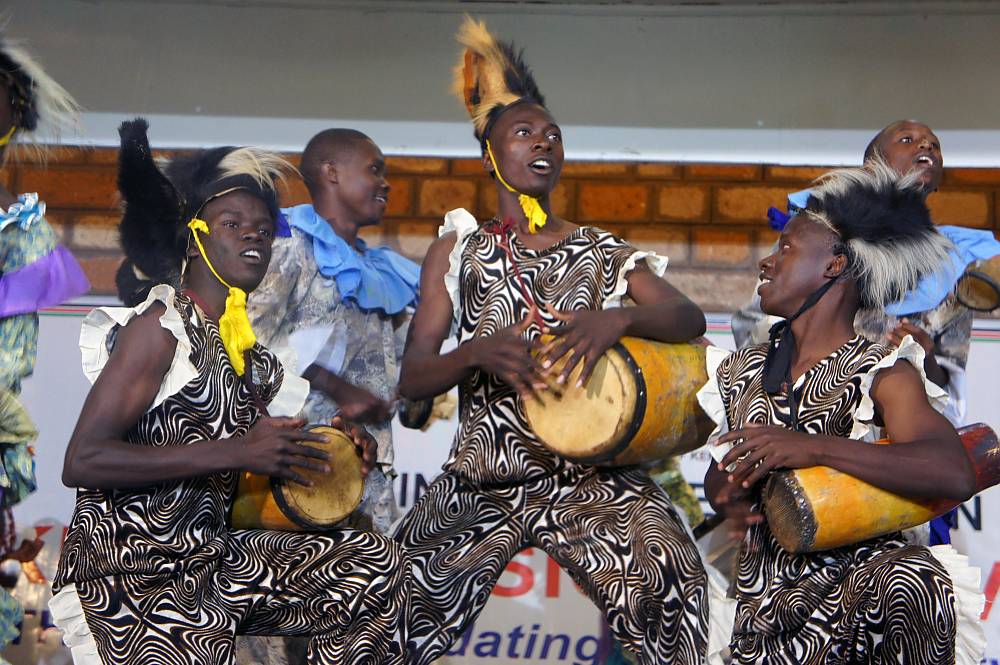
An impressive army of musicians, dancers, waders, masks, puppets, traditional hunters, percussionists, crafts-makers and ‘wild animals’ match around the stadium, swaying to music and taking the mammoth crowd in their stride with them.
RELATED: Eastern Africa’s Film Festival for Children and Youth Opens in Nairobi
Traditional music shows are held at FESPACO Village and at Hotel Independance at noon every day while midnight-to-dawn shows take place at the centre of the city popularly known as Ouaga and in night clubs where festival-goers sample ‘Warba’ and ‘Ndombolo’ as they mix business with pleasure. Aggressive women are not in short supply at such functions and on the streets where they ask men to fuel their scooters in exchange for sex.
Everyone (from the President to the Prime Minister, and from CEOs to clerks and even lowly domestic servants) avail themselves to the festival.
Burkinabes work half day and attend film screenings, discussions, fashion shows and other events in the afternoon during the festival. Radio and television stations hold daily live discussions on film and culture to which every one in Ouaga can participate by calling in if they so wish.
Discussions on pressing issues like AIDS, rural-urban migration, and uncontrolled settlements are held with everyone participating.
Organisers of FESPACO encourage international festivaliers to discover other facets of Burkinabe culture, such as sampling the allure of African haute couture. Why not indulge while the eight-day event lasts? It will not be until two years later that the biennial event will take place again.
And while one is at it, one discovers that art does not only transcend socio-cultural and economic barriers but that it is only in Burkina Faso where culture ranks above everything else. At least for the duration of FESPACO!
The 21st FESPACO (February 28-March 7, 2009), however, is unlikely to be just another forum for mere socialisation. Some 40 years after its establishment to showcase and support the creative and intellectual contributions by Africans to film and television, the people gathering in Ouagadougou will likely take stock of this slogan as filmmaking remains foreign to the mother continent.
RELATED: Durban International Film Festival 2009 Announces Award-Winners
In fact, some people will likely seek to challenge scholars like Manthia Diawara who argue that no ‘African film’ , one that is produced, directed, photographed and edited by Africans and starring Africans speaking in African languages, exists.
Few African films are available outside the film festival circuit, while lack of funding, runaway piracy and lack of legislation to combat the vice remain obstacles to the development of ‘African cinema’.
Burkina Faso has produced more feature films and is home to FESPACO, the Pan African Federation of Filmmakers (FEPACI) and the African film library (Cinematheque Africaine) but, contends Roy Armes, Paris remains the headquarters of francophone African cinema.